
From Supplier to Customer: The Complete Journey of a Supply Chain
The smartphone you use, the coffee you drink in the morning, the clothes you wear……
The smartphone you use, the coffee you drink in the morning, the clothes you wear… pretty much everything you consume in your daily life has to go through a journey to reach you. This journey is known as a supply chain and having a good grasp of it is essential for supply chain management.
You can’t control what you can’t see. If you don’t have a bird’s eye view of what’s going on, you’re bound to run into a lot of unforeseen issues.
What is a Supply Chain?
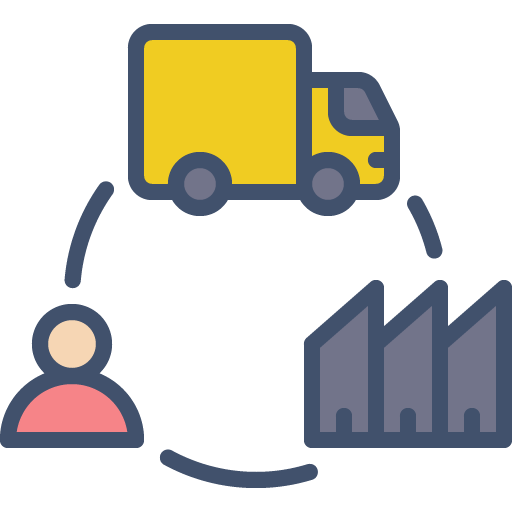
A supply chain is not only about logistics and shipping. It is a system consisting of different stages of supply chain management processes.
Raw material sourcing
Manufacturing
Warehousing
Transport and distribution
Customer fulfillment
All these stages are interconnected. Any bottleneck in one stage can impact all the subsequent stages.
Stage 1: Sourcing and Procurement
The journey of a supply chain begins with sourcing. In this stage, organizations do the following:
Supplier discovery and evaluation
Contract negotiations
Quality and reliability assurance
A good supplier can help you build a strong supply chain, and a bad supplier can consistently cause headaches.
Stage 2: Manufacturing
Once the raw materials have been sourced, the next stage is manufacturing. The goal here is to be as efficient as possible by:
Reducing waste
Ensuring quality
Managing lead time
An optimized manufacturing process has a direct impact on the cost and lead time of the product.
Stage 3: Warehousing and Inventory
After the manufacturing stage, products are stored in warehouses before they’re shipped out. Here, organizations focus on the following activities:
Inventory management
Space optimization
Order fulfillment
Poor inventory management can result in overstocking or stockouts, both of which can be costly.
Stage 4: Transportation and Logistics
Now, it’s time to move products from point A to point B. Some key activities in this stage include:
Fast shipping
Route optimization
Freight audit
Ensuring efficient logistics is important to make sure products reach customers on time and in good condition.
Stage 5: Customer Fulfillment
Finally, the product reaches the customer. This is one of the most critical stages of the supply chain because it:
Directly impacts customer satisfaction
Impacts brand image
Impacts customer retention
Even if all the previous stages are perfect, if the customer experience is poor, it can ruin everything.
Why is it Important to Understand the Entire Supply Chain?
When you have visibility into the entire supply chain, you can do the following:
Identify bottlenecks
Improve productivity
Lower costs
Make informed decisions
Instead of putting out fires, you can prevent them from happening in the first place.
The Bottom Line
A supply chain is a system. And like any other system, it is only as strong as its weakest link.
If you can understand each stage of the supply chain and how they’re connected, you can create a robust supply chain that is not only productive but also resilient and scalable.
In the supply chain, having visibility is having power.